
Comfort with alone time is a skill, not a personality trait. Begin with absences so short that your dog stays relaxed, then increase the duration gradually.
Make departures wonderfully boring
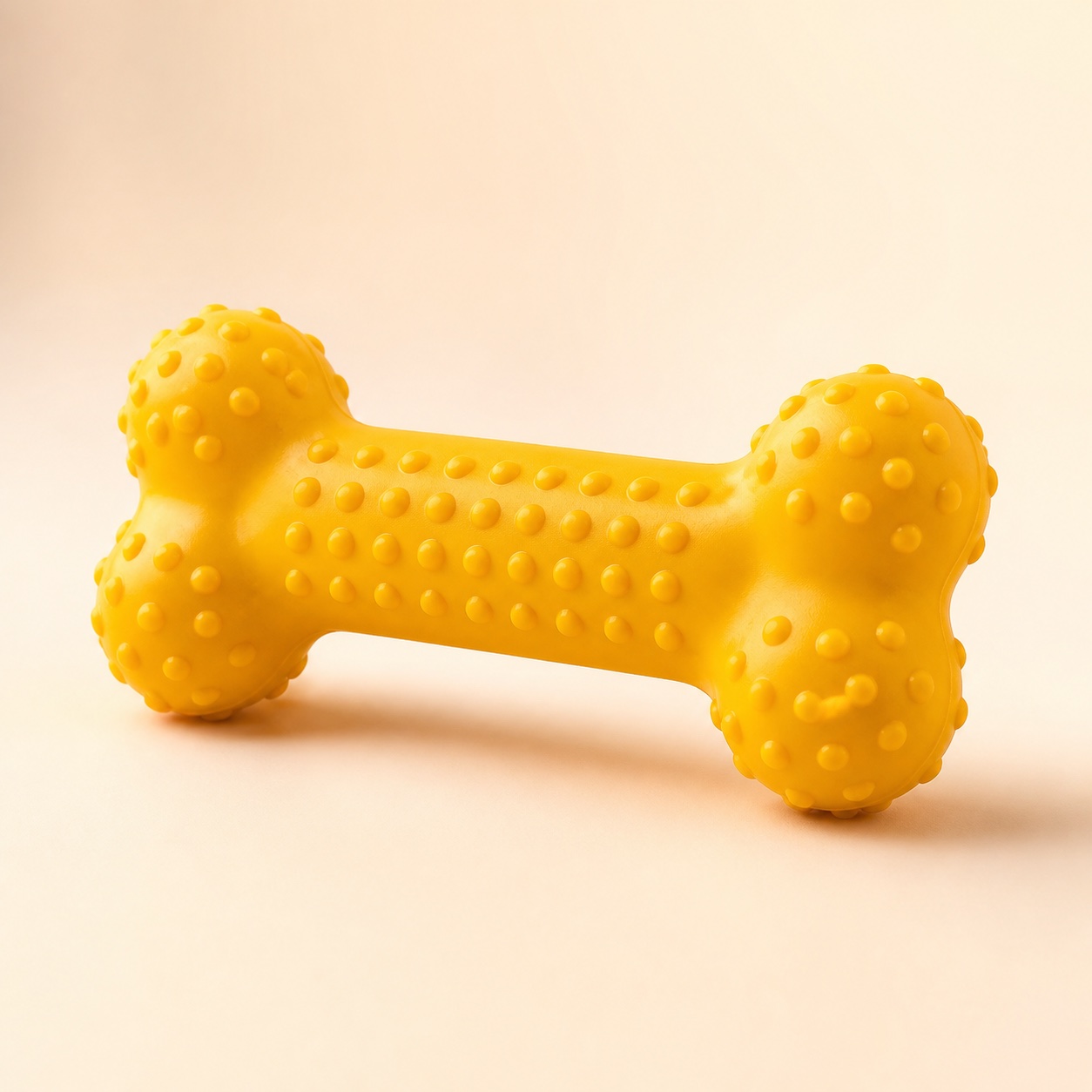
Pick up keys, put on shoes, and sit back down at random times. This helps those signals lose their power. When you do leave, offer a safe enrichment toy and skip emotional goodbyes.
Watch the whole picture
A camera can help you spot pacing, barking, drooling, or attempts to escape. These may indicate separation-related distress rather than boredom. If your dog panics, consult a qualified force-free trainer or veterinary behavior professional; pushing through long absences can make the fear stronger.
We heard a similar tip at a Happy Woof event and it has made a real difference at home.
Clear, kind, and useful. Pepper responded especially well to the shorter practice sessions.
I appreciate how calm and realistic this advice is—especially for a busy weekday.
I shared this with another new dog parent. It answers the exact question we both had.
The checklist is excellent. We are already seeing a calmer routine after a few days.
This was practical and easy to use with Teddy. We tried it the same evening.
The step-by-step approach helped us make progress without overwhelming our dog.
This was exactly the practical checklist I needed. The small-step approach feels very doable.
We tried this today and Milo responded so well. Thank you for keeping the advice kind and realistic.